Home | Sustainability | Dimension Environmental
Monómeros' environmental management focuses on preventing, mitigating and compensating for the potential environmental impacts of its operations, with the aim of contributing to the preservation of the planet and its natural resources, promoting business continuity and contributing to the sustainability of the Colombian countryside.
The company has an Environmental Management System, which is certified under the regulatory requirements of ISO 14001:2015. Additionally, there is the Environmental Master Program, which includes activities defined in the company's Environmental Management Plans (PMA) and focuses on reducing, mitigating, controlling or eliminating negative environmental impacts. It also ensures compliance with the various legal environmental requirements.
The main objectives of the EMPs include contributing to the improvement of air quality and ensuring the care of bodies of water and their surroundings. This is achieved through the rational use of water and energy resources, managing the emissions into the atmosphere in each production process, controlling industrial effluents, and appropriately handling the waste generated.
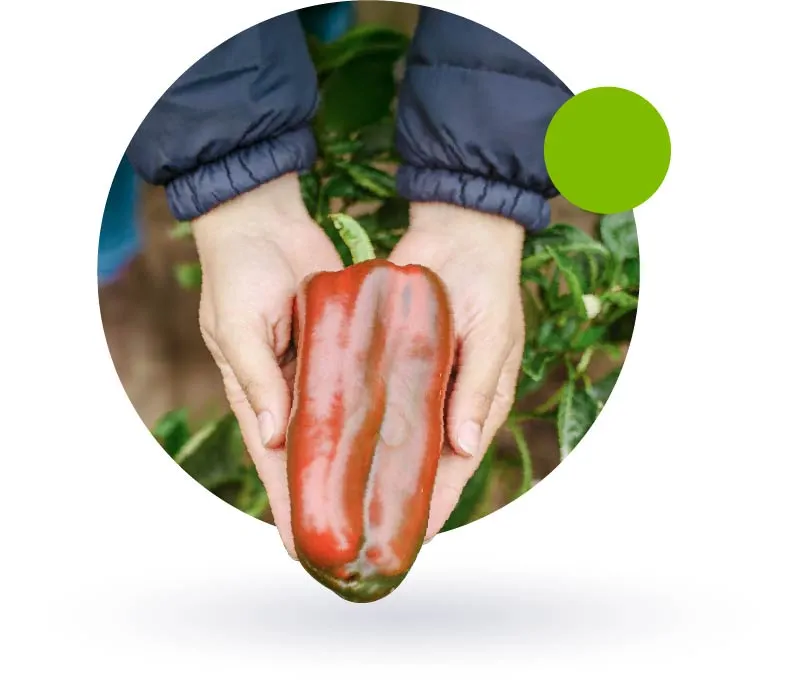
Monómeros is aware of the impact that the agricultural industry has on global warming. Therefore, the company focuses its efforts on the implementation of the best operational practices, adopting more efficient technologies for the production of fertilizers with a low carbon footprint. This confirms its commitment to the sustainability of agriculture and the environment.
In 2023, Monómeros took a firm step towards this goal with the execution of a project to install a greenhouse gas abatement system at the nitric acid plant of its industrial complex. This progress will allow the company to achieve, in 2025, a 50% reduction in its environmental footprint and the production of more than 300,000 tons of green fertilizers for the sustainability of agricultural systems and national food security.
This project, funded by GIZ Colombia within the framework of the international NACAG initiative, is part of a set of strategic solutions that the company is implementing at an operational, commercial and communication level to contribute to reducing the effects of climate change on agriculture.